Change a flat tire on the side of the road
The difference between a 20-minute shoulder stop and an hour on the phone with a tow company is knowing where the spare and jack live before you need them.
What you'll learn
- Why the traffic-side of a vehicle is the dangerous side for a DIY change
- Where the jack point is on most modern vehicles (check the owner's manual)
- The correct lug-nut loosening pattern (star/cross, not circle)
- When to call for a tow instead - highway shoulders, curbs without room, or damaged sidewalls
Step by step
- Pull off into a safe flat spot - away from traffic, off a shoulder if possible.
- Set the parking brake. Turn on hazard lights. Put the transmission in park (or 1st gear on manual).
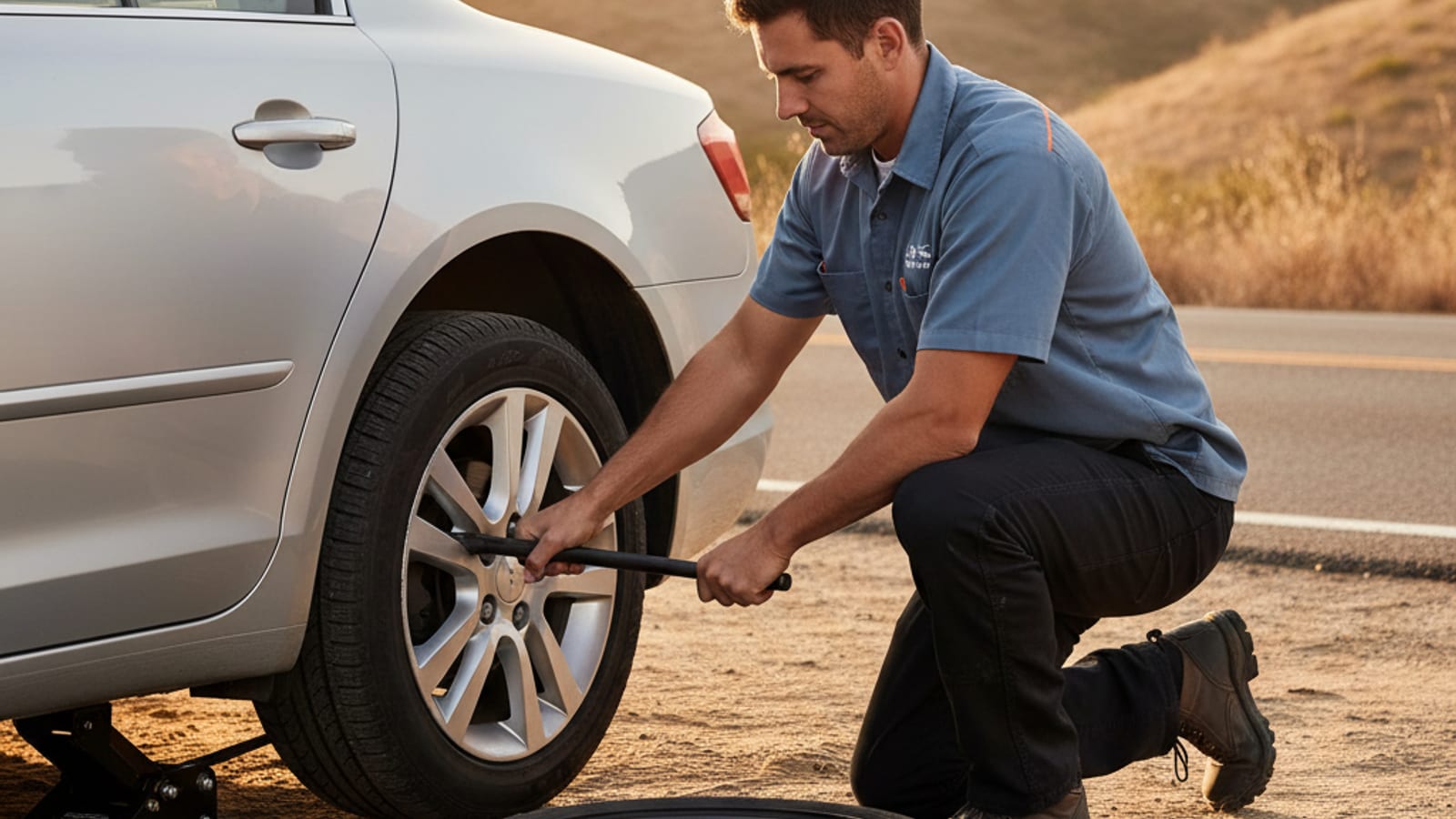
- Loosen the lug nuts half a turn each before jacking - while the tire is still on the ground.
- Position the jack at the factory jack point under the frame. Raise until the tire is 1-2 inches off the ground.
- Remove the lugs, swap the flat for the spare, hand-tighten lugs in a star pattern.
- Lower the car fully. Torque the lugs in the same star pattern.
- Drive directly to a tire shop. Most spares are rated for 50 mph max, 70 mile range.
If you are on the shoulder of I-35W, I-94, I-494 or the MN-62 Crosstown, call for a tow to a safe lot instead. Minnesota law (Statute 169.32) says a vehicle stopped outside a business or residential district must leave at least 20 feet of clear width and stay visible for 200 feet in each direction, which is impossible on a tight metro shoulder in traffic. MnDOT's FIRST crews patrol about 220 miles of Twin Cities freeway roughly 6 a.m. to 8 p.m. on weekdays, and because they patrol constantly they are often first on scene. They can change a flat, but they do not tow, so for a damaged sidewall or a shoulder with no room, ask for a tow to a shop. For an active emergency, dial 911.
Rather have a pro handle it?
Towing and roadside service across the Twin Cities metro. One local line, taking calls day and night.
Keep learning.
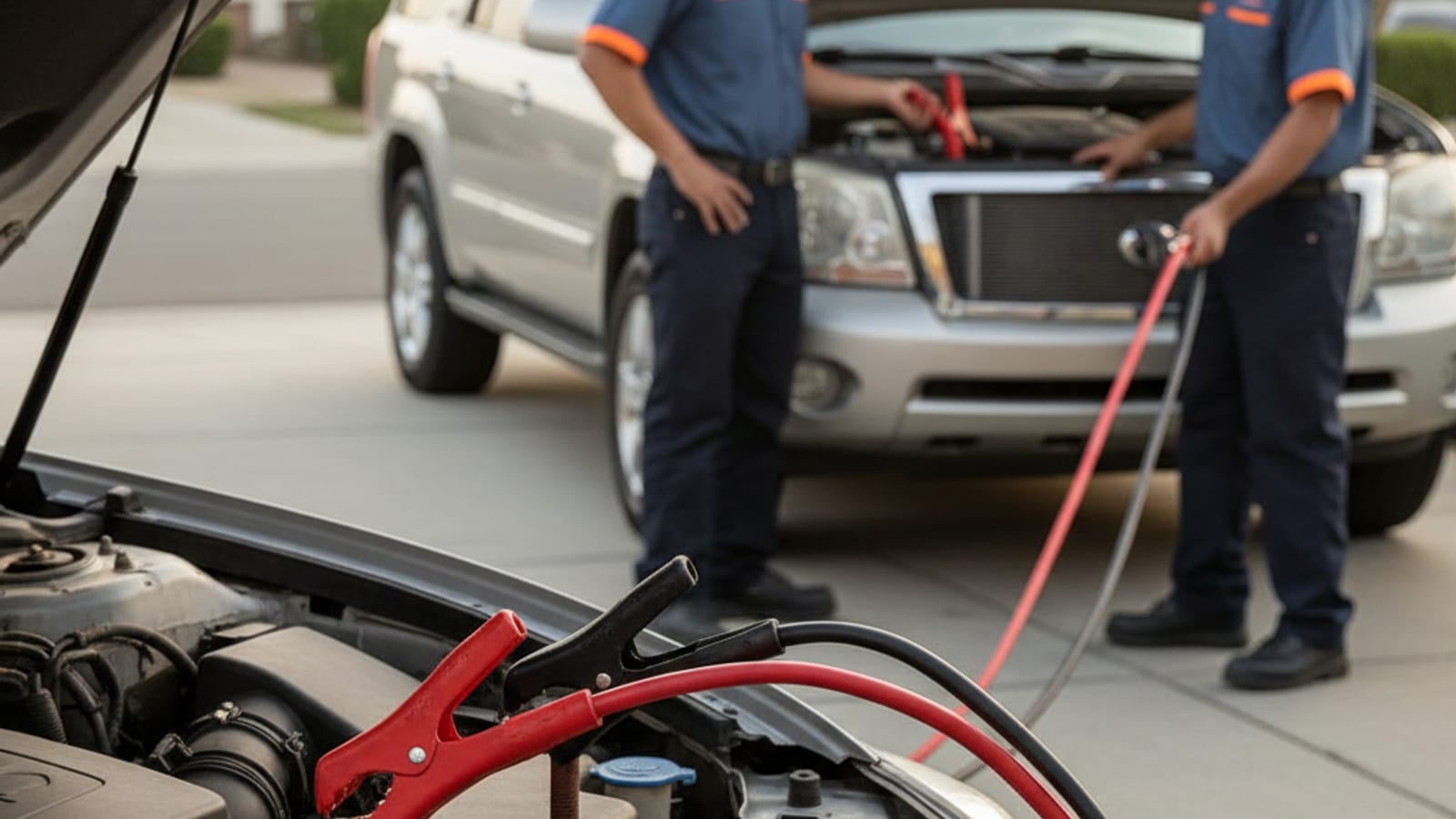
Jump-start a dead battery safely
Jumper cables are simple until you hook them wrong. Do it right and you'll avoid sparks, ruined electronics, and a tow you didn't need.
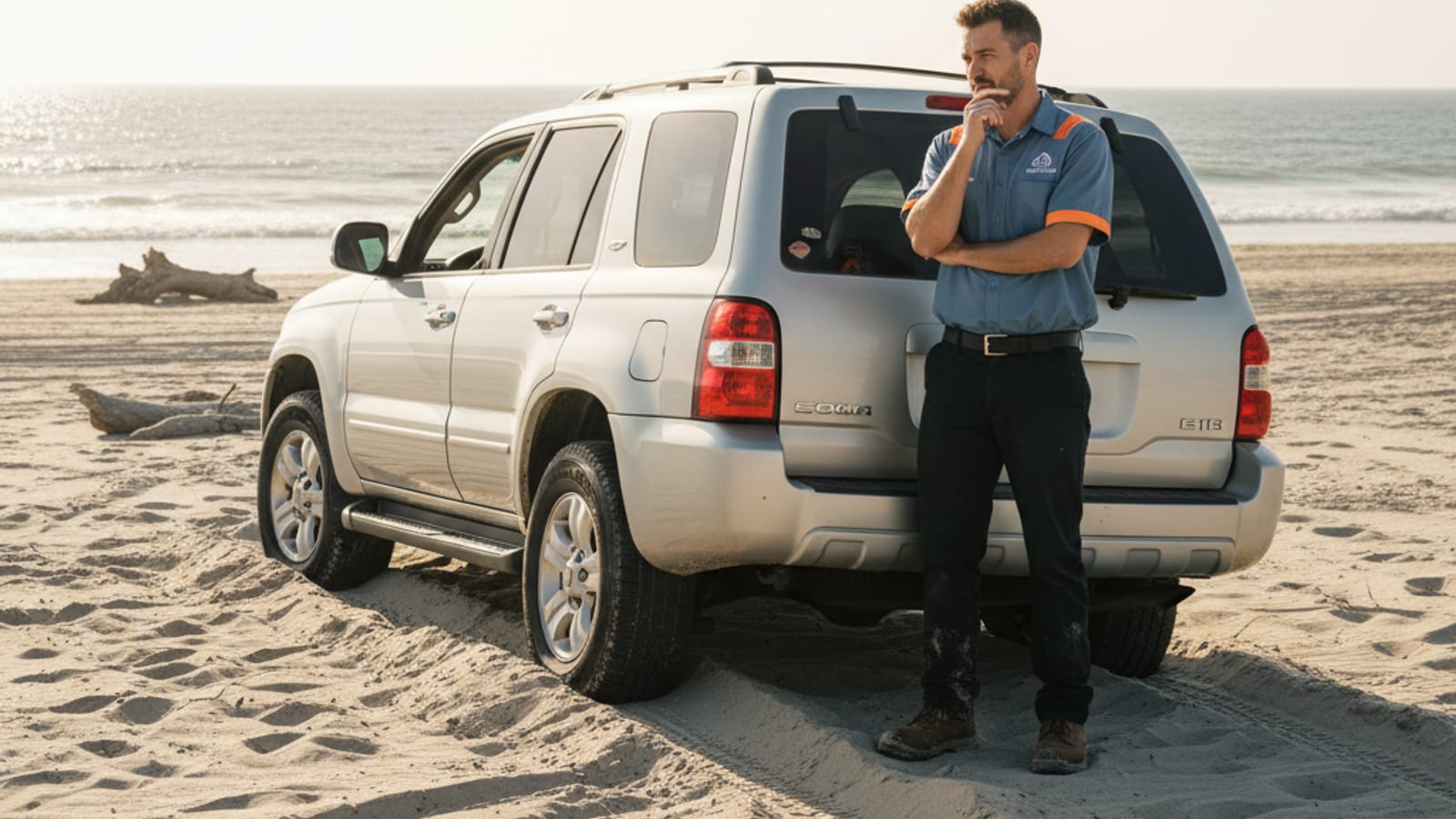
What to do if you slide on ice or hit a flooded low spot
Twin Cities winters glaze bridges and ramps before flat streets, and a heavy spring rain fills a low underpass faster than it looks. First step: stop making it worse.
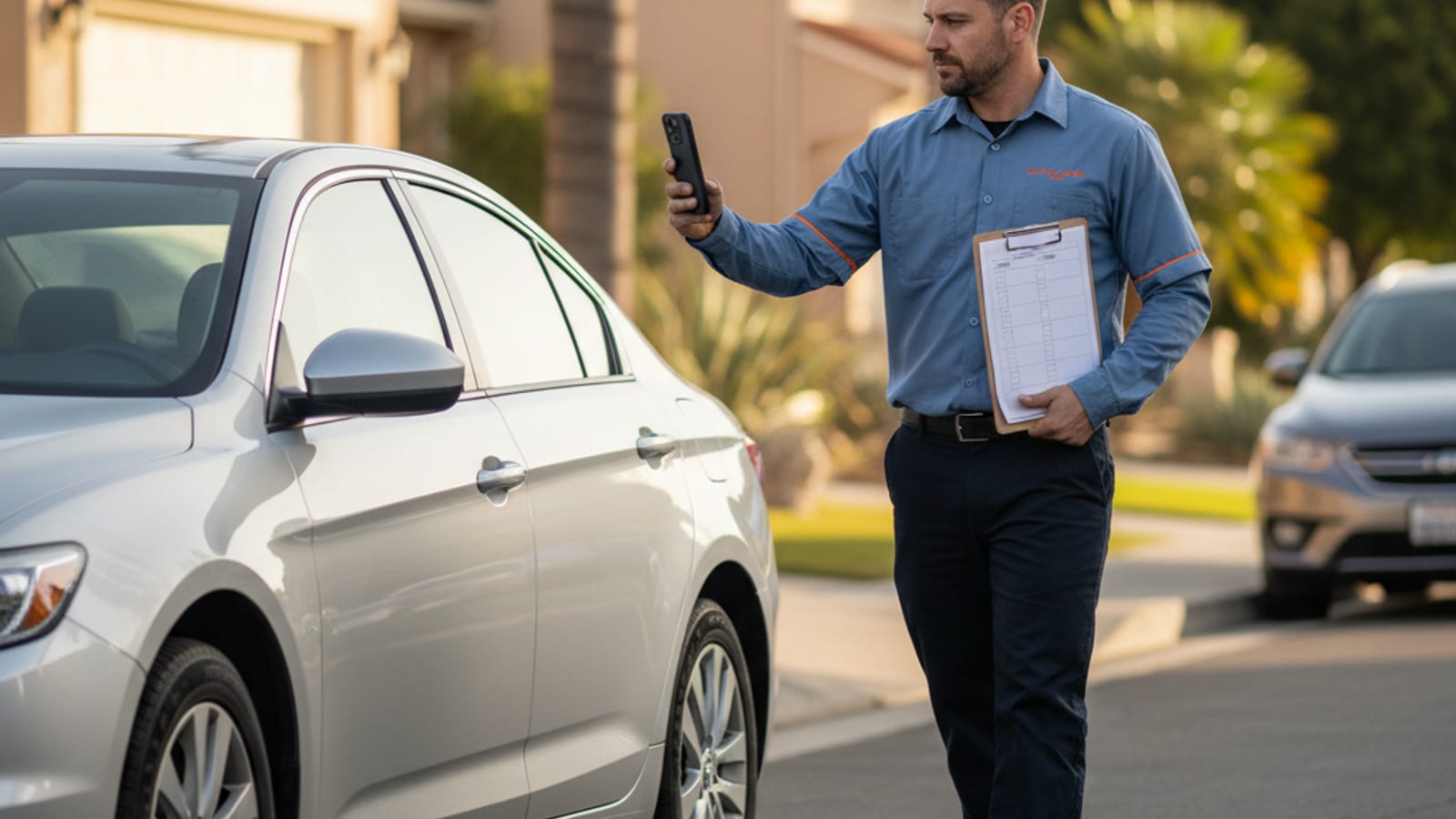
Prepare your vehicle for a tow
A few minutes of prep before the tow truck arrives saves time, avoids damage, and makes the whole call go faster.