After a crash on I-35W or I-94, the order is safety first, then the report, then the tow. If anyone is hurt or the wreck is blocking live lanes, call 911 right away. Get people to a safe spot, off the roadway if you can, and let the tow come after the scene is handled. On a busy metro freeway the moving traffic behind you is the real danger, not the damaged car, so the first job is getting clear of it.
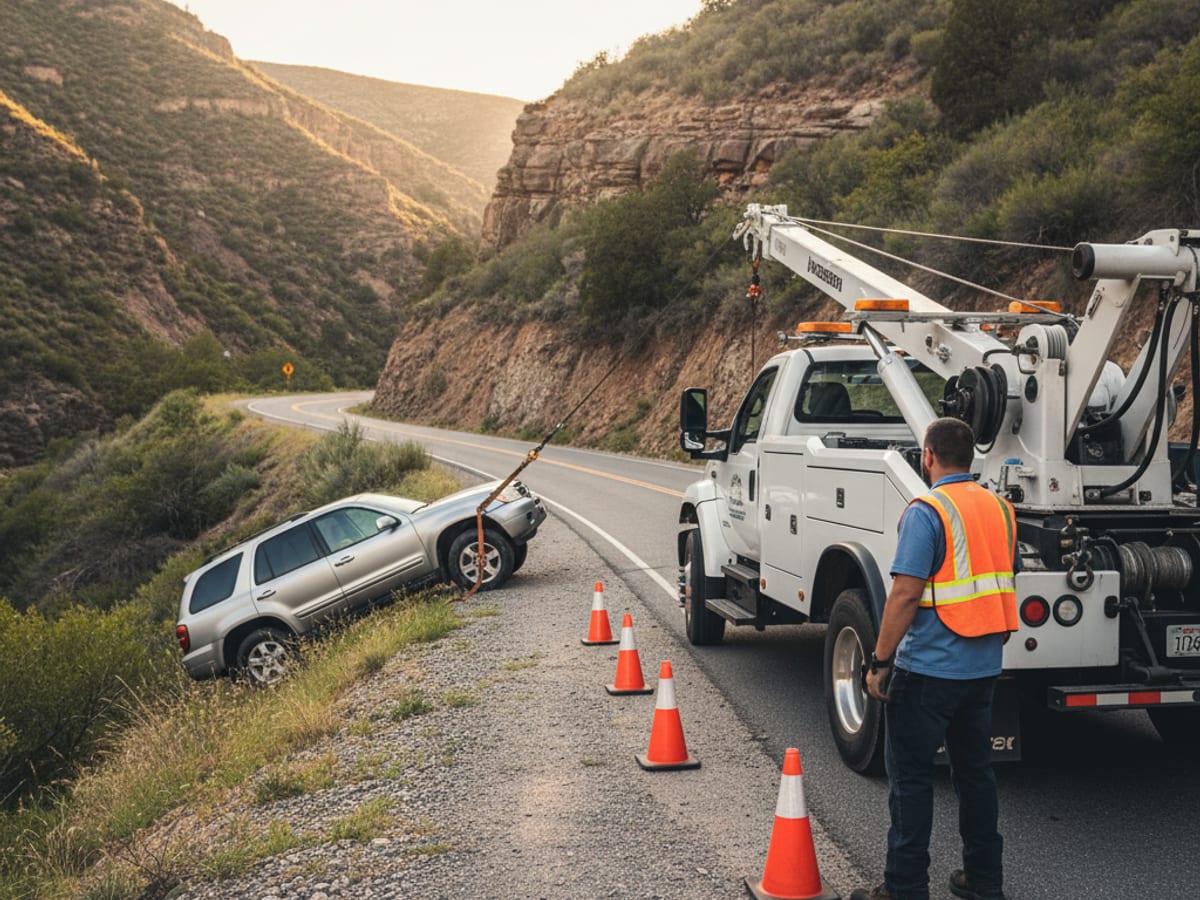
First: get safe and call 911
I-35W and I-94 carry heavy volume through both downtowns, and a stopped car after a crash is hard to see until traffic is right on it. If there are injuries, or a lane is blocked, dial 911. If the cars are drivable and everyone is okay, Minnesota law lets you move them out of the lanes to a safe spot to exchange information, which is safer than standing in traffic. Turn on your hazards and stay behind a barrier or well off the shoulder while you wait.
What the highway law expects
Minnesota Statutes 169.32 covers stopping on a highway. Outside a business or residential district, you are supposed to leave at least 20 feet of clear roadway width and keep the vehicle visible for 200 feet in each direction. Vehicles that are disabled and cannot be moved are excepted, which is exactly the crash situation, but it is why clearing the lanes when you safely can matters. A car left in a live lane is both a legal problem and a serious safety one.
MnDOT FIRST may reach you first
On metro freeways, MnDOT’s Freeway Incident Response Safety Team often arrives before a tow does. FIRST patrols 11 routes across about 220 miles of Twin Cities freeways, roughly 6 a.m. to 8 p.m. Monday through Friday. Crews push disabled vehicles out of live lanes, clear debris, and call a tow when one is needed. FIRST does not tow the car itself, so a wrecked vehicle still needs a tow operator, but getting it out of traffic fast is what FIRST is there for. For an active emergency you still dial 911.
Who orders the tow after a crash
On a freeway crash, the responding officer often directs the tow, especially if the car is blocking lanes or is evidence in the crash report. In that case the car may go to a lot the agency uses, and you get the vehicle back once the report and any hold are cleared. If your car is drivable, or the scene is cleared and no one has ordered a tow, you can call for your own tow to the shop of your choice. Ask the officer whether a tow has already been ordered before you call your own, so two trucks do not show up.
Where your car goes, and getting it there
A crash car is usually a flatbed job, because a wreck should not roll on damaged wheels or a bent frame. Where it ends up depends on who called the tow. If the agency ordered it, ask the responding officer which lot and how to reclaim it. If you are calling your own, Quick Tow Minneapolis is a referral service. We take the call and match you with an independent local operator who runs accident recovery across the metro, and that operator quotes the job before rolling. Tell us the location, the damage, and where the car should go.
Frequently asked questions
Do I call 911 or a tow company after a freeway crash? Call 911 first if anyone is injured or a lane is blocked. The tow comes after the scene is handled. If everyone is fine and the cars are clear, you can arrange your own tow.
Can I move my car after a crash on I-94? If the car is drivable and everyone is safe, Minnesota law lets you move it out of the lanes to exchange information, which is safer than standing in traffic. If it cannot be moved, leave it and stay clear.
Will MnDOT FIRST tow my wrecked car? No. FIRST pushes disabled vehicles out of live lanes and calls a tow, but it does not tow. A crashed car still needs a tow operator, usually a flatbed.
Who decides where my car is towed after a crash? Often the responding officer, especially if the car blocks lanes or is part of the report. Ask whether a tow has already been ordered before you call your own, so you do not get two trucks.