A long-distance tow from the Twin Cities is priced by the job, usually on a per-mile basis plus a base fee, and the operator quotes it before anyone rolls. Quick Tow Minneapolis does not set a rate, so a “typical” number would be a guess, and we do not guess on money. What we can tell you is what drives the price: the distance, the weight of the vehicle, whether it needs a flatbed, and the route. Give the operator those details and you get a real quote instead of a surprise.
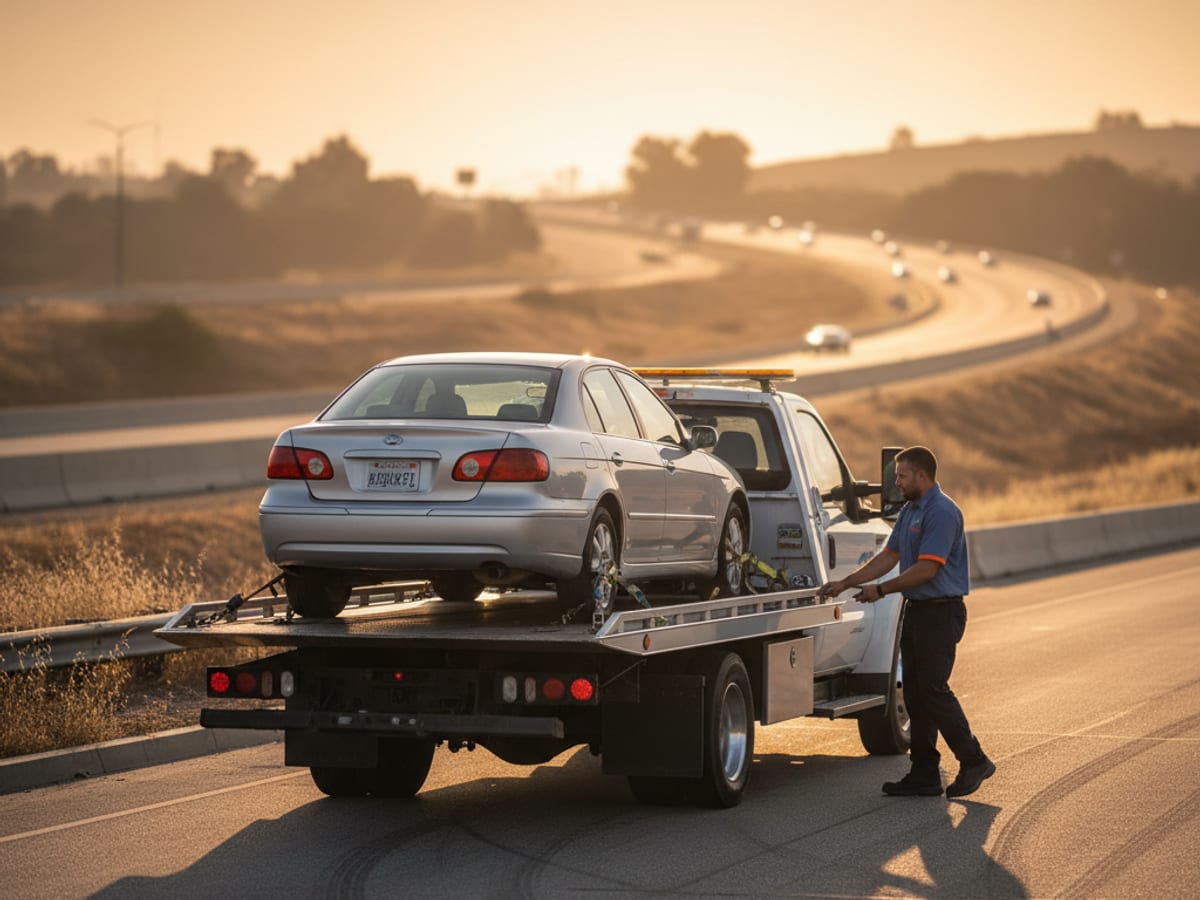
Distance is the biggest factor
The farther the car goes, the more it costs, and the common long hauls out of the metro are long. Duluth is a couple of hours north up I-35. Rochester sits south down US-52. Fargo is a straight run west on I-94 to the North Dakota border. Each of those is a multi-hour round trip for the driver, and a long-distance quote reflects both the loaded miles out and the empty miles back. Ask whether the quote is round-trip or one-way so you are comparing the same thing.
Weight and the type of truck
A small sedan and a heavy pickup or a van are not the same tow. A heavier vehicle needs a bigger truck and burns more fuel over a long haul, so it costs more per mile. If the car cannot roll or steer, it needs a flatbed rather than a wheel-lift, and a flatbed for a few hundred miles is a different quote again. Tell the operator the make and model and whether the wheels turn, so the right truck shows up and the price holds.
The route and the conditions
Minnesota weather can turn a routine haul into a slow one. Snow, ice, and wind on I-94 west or I-35 north add time, and time is part of the cost on a long tow. A winter run to Fargo into a headwind is harder than the same miles in June. None of that means you should overpay, but it does mean the quote can differ by season and by day, so ask what is included.
How to get an honest quote
Give the operator the full picture before you accept anything: where the car is now, the exact destination address, the make and model, whether it runs and steers, and whether you need it flatbedded. Ask for the total, whether it is one-way or round-trip, and whether fuel or a base fee is separate. A clear description gets you a firm number. A vague one gets you a range that can move on you.
Getting the tow arranged
Quick Tow Minneapolis is a referral service. We take the call and match you with an independent local operator who does long-distance hauls out of the metro, and that operator quotes the run before rolling. Whether it is a breakdown headed home to Rochester or a project car moving to Duluth, tell us the destination and the vehicle, and we point you to the right operator.
Frequently asked questions
How much does a long-distance tow cost? It is quoted per job, usually per mile plus a base fee, by the operator before dispatch. There is no set Quick Tow rate, and a made-up average would mislead you.
What makes a long haul cost more? Distance, the weight of the vehicle, whether it needs a flatbed, and the route and weather. Winter runs on I-94 or I-35 can take longer, and time is part of the cost.
Is the quote one-way or round-trip? Ask, because it varies. A long-distance quote often reflects the empty return miles too, so confirm what is included before you commit.
What should I tell the operator? The car’s current location, the exact destination, the make and model, whether it runs and steers, and whether you need a flatbed. That gets you a firm quote.